Western vs. Japanese Knives
Japanese knives and Western knives are both popular options among culinary professionals and home cooks, but they exhibit distinct variations in terms of design, functionality, and cost.
Blade Shape
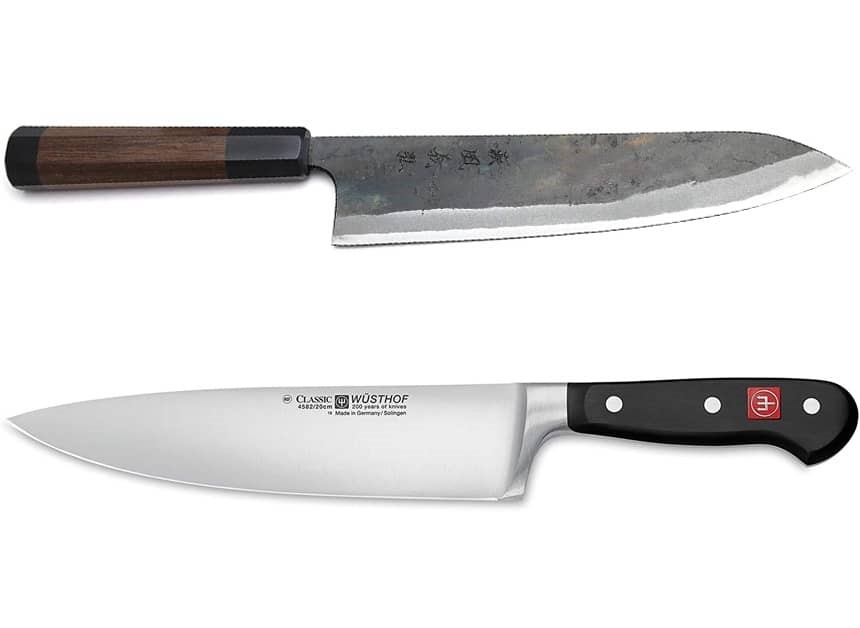
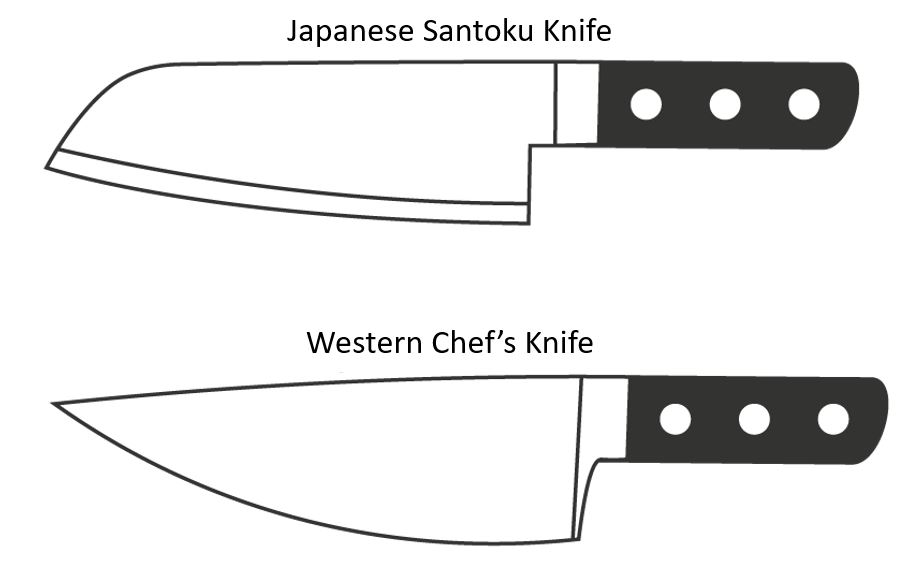
The main difference between these two types of knives lies in their blade shape. Japanese knives are renowned for their sharp, thin blades that are optimized for precision cutting tasks such as filleting fish and slicing vegetables. In contrast, Western knives possess thicker, heavier blades that are more suitable for heavy-duty tasks like chopping and slicing meats. The reason for this difference is primarily due to the type of steel used in their construction.
Sharpening Angle
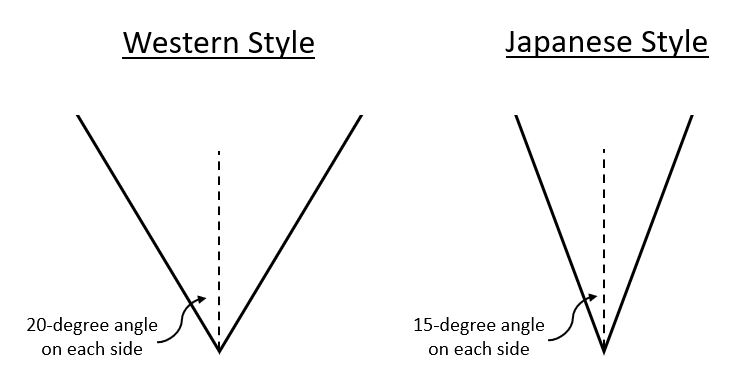
Another dissimilarity between these knives is the angle of the edge. Japanese knives feature a much sharper angle on the edge, typically around 12-15 degrees, while Western knives have a steeper angle of 20-22 degrees. This attribute makes Japanese knives more delicate and precise, but also more susceptible to chipping or breaking if not used correctly. Western knives, with their steeper angle, are more durable and can withstand heavy use, but may not be as sharp or precise.
Blade Hardness
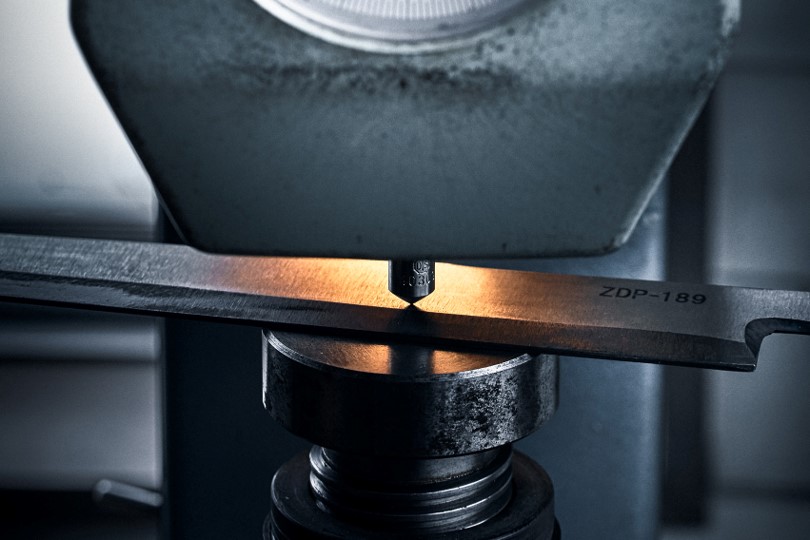
Japanese knives are also known for utilizing harder steel in their blades, which permits a sharper edge and better edge retention. Harder steel, usually around 60-62 on the Rockwell scale, is more brittle than the softer steel, around 54-56 on the Rockwell scale, used in Western knives, making them more likely to chip. Western knives are more flexible, they bend instead of chipping.
Handle
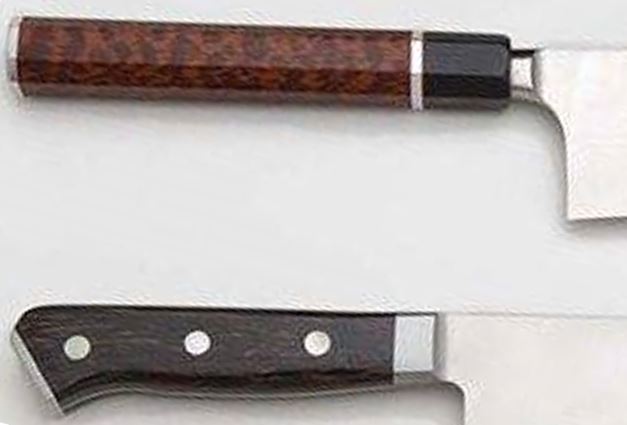
In terms of handle design, Japanese knives often feature a traditional "wa" handle made from wood or plastic, while Western knives typically have a Western-style handle made from materials such as plastic or composite.
Cost
When it comes to cost, Japanese knives tend to be more expensive than Western knives. This is due to a combination of factors including the cost of materials and the level of craftsmanship required to make them. Japanese knives are often made by skilled artisans who take great care in creating each knife by hand, resulting in a higher cost. Western knives, on the other hand, are often made by machine and may not be as labor-intensive to produce, resulting in a lower cost. Additionally, Western knives are often made from lower-quality steel and materials, which also contributes to the lower price point.
Hybrid Knives
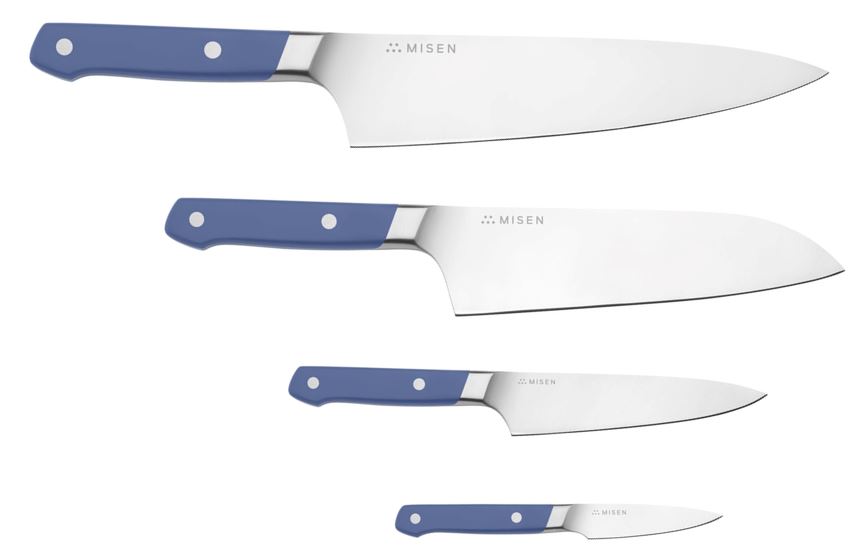
Our favorite knives here at Edge of the Wedge are hybrid knives, which combine elements from both Japanese and Western knives. These knives often feature a blade shape and angle that is similar to Japanese knives, but are made with the same handle design as Western knives.
One of the main benefits of hybrid knives is that they can offer the same precision and sharpness as Japanese knives, while also being more durable and easier to maintain than Western knives. They are often made with high-quality steel, which allows them to hold an edge well and be sharpened easily.
Hybrid knives also often feature a comfortable, ergonomic handle that is designed to fit well in the hand, providing a secure grip for precise cutting tasks.
It's worth noting that there are many different types of hybrid knives available, each with its own unique combination of features and characteristics.