
How to Keep Your Knives Sharp
There are some simple things you can do to keep your knives performing at their best and prolong the time between sharpening.
Use One of These
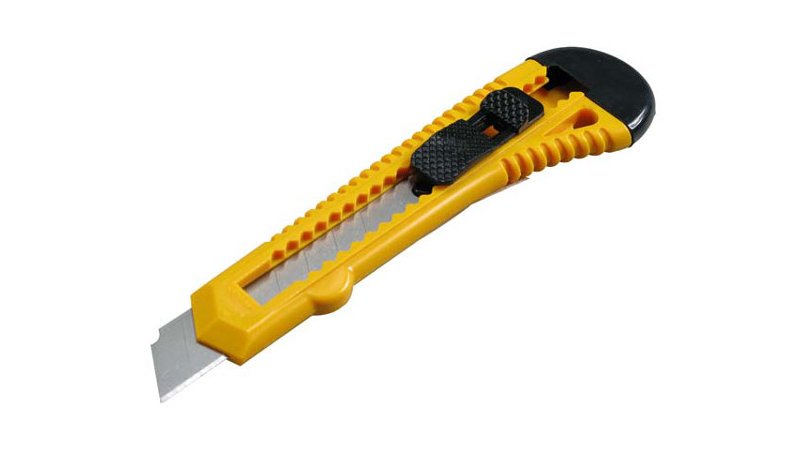
How much packaging passes through your kitchen each week? Are you tempted to reach for a kitchen knife to open a package or break down a box for recycling? Do your knives a favor and keep one of these in a kitchen drawer, close enough that you won’t be tempted to reach for a kitchen knife. Better yet, get a 12-pack for $10 from Amazon and scatter them around the house. You’ll be surprised at how often you reach for them.
Store Them Right
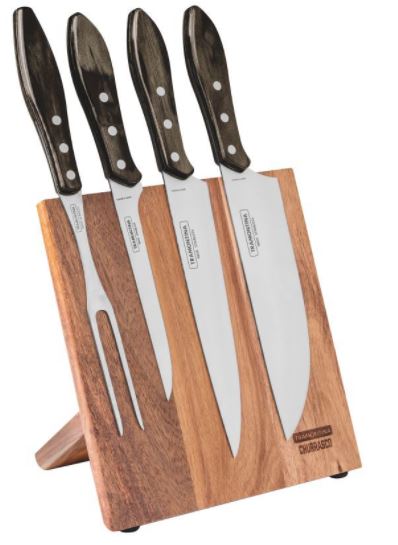
We have a whole article on storage (see: How to Store Your Knives), so we won’t go into too much detail here, but it is important to store your knives in a way that protects the edges. If you toss them into a drawer and let them rattle around with other knives or silverware, they won’t stay sharp for very long. Our favorite storage solution is to keep our three most commonly used knives on a magnetic block on the kitchen counter, with less frequently used knives kept in a drawer with knife slots.
Avoid the Dishwasher
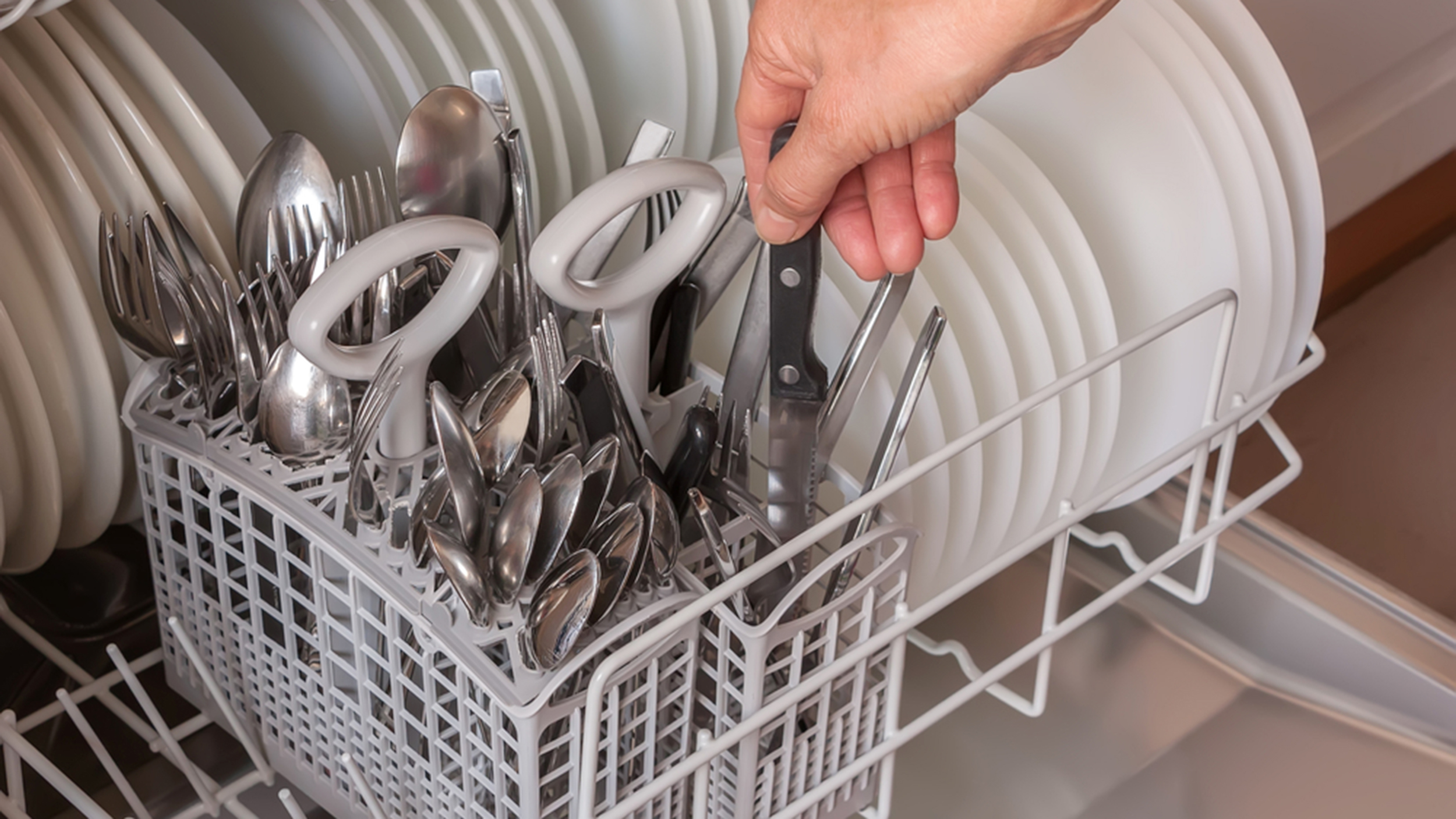
One of the worst things you can do to your knives is to put them in the cutlery basket of your dishwasher. Over the course of a cleaning cycle, the blades will bang against the walls of the basket or - worse yet - other utensils, which quickly dulls the blades. Even if you have an upper third drawer with slots to isolate individual knives, the heat, moisture, and corrosive elements in dishwasher detergent are really tough on your knives. Over time, the blades will corrode more quickly, rivets will fail, and the handles will delaminate.
We get it… knives get dirty and you may be worried about pathogens in raw meat. But usually a simple rinse with warm water is all it takes to clean a knife blade. When you’ve been cutting greasy food or raw meat, a couple passes with a sponge and dish soap will get the job done.
Use a Cutting Board

When chopping or slicing, your blade comes into contact with the surface that the food is resting on. If that is a hard surface like a stone countertop or ceramic plate, the cutting edge of your knife will dull quickly. You can spend a lot of money on beautiful end-grain wooden cutting boards - and if you have a designer kitchen and plan to keep it out on the counter - they’re worth the investment. But we find ourselves reaching for the plastic ones again and again. They’re dishwasher safe and don’t need any maintenance. They’re lightweight and don’t take up a lot of room when stacked and put away. And best of all, they are inexpensive. Get a few of them in different sizes.
Use a Honing Rod
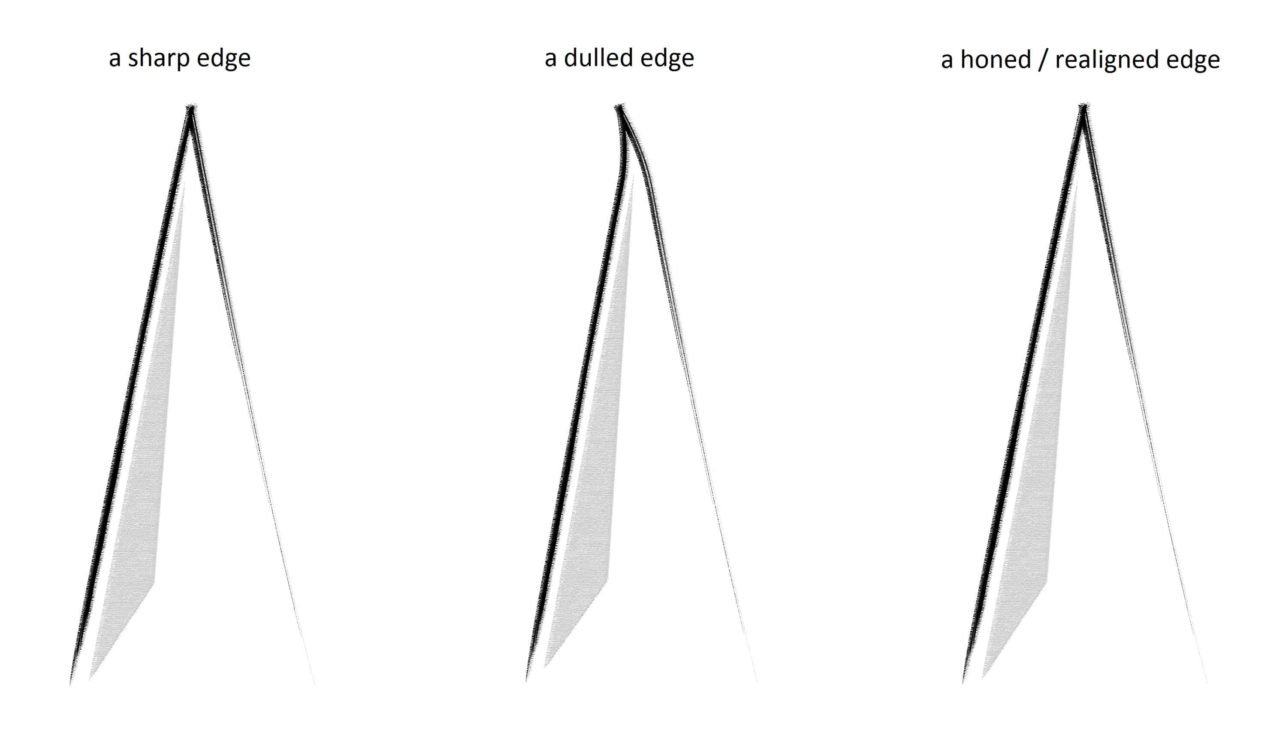
If you purchased your knives in a set, they likely came with a honing rod. Experienced cooks use these to hone their knives between sharpening. That’s right, they don’t sharpen the knife. But when properly used, they will keep a knife sharp longer.
What’s the difference? Well, sharpening a knife involves removing metal from the cutting edge to form a sharp angle. During use, the leading edge of that sharp angle has a tendency to get bent over to one side, dulling the knife. Honing pushes that bent edge back into alignment, keeping the knife sharp.
Eventually, that sharp edge isn’t just bent over, it is rounded and the angle is lost. At that point, the knife needs to be sharpened by removing metal to reform an angle. No amount of honing will sharpen a truly dull knife.
Honing takes a little bit of skill. If you are already taking care of your knives by doing the following, then it makes sense to learn to hone them between sharpening. But otherwise, start with these simple steps and you’ll be surprised at how far they take you:
-
Don’t use your kitchen knives to open packaging or break down boxes
-
Store your knives in a way that the edges are protected
-
Don’t put them in the dishwasher
-
Use a cutting board every time you slice or chop